RDG Clinic · Rīga
Skin biopsy with histology in Riga
A small tissue sample to clarify diagnosis, using the most suitable biopsy method with or without a stitch.
- Doctor consultation before therapy
- Individually prescribed composition
- Clinical supervision
Skin biopsy and histology
When examination alone is not enough
A skin biopsy removes a small sample of skin or a lesion under local anaesthetic. A pathologist examines it microscopically to help distinguish inflammatory, autoimmune, infectious, or neoplastic change.
The doctor chooses the biopsy type and site so the sample is diagnostically useful. Depending on depth and size, the wound heals naturally or is closed with one or more stitches.
Individual assessment
Who this approach may suit
- Unclear or persistent skin eruptions
- A suspicious or changing lesion
- Clarifying inflammatory or autoimmune disease
- A diagnosis requiring histological confirmation
A safe process
How the visit and treatment work
- 1
Assessment of the indication and relevant health information
- 2
Explanation of the procedure, alternatives, and possible risks
- 3
The procedure in aseptic clinical conditions
- 4
A clear plan for results, aftercare, or receiving the laboratory report
RDG Clinic
Expected outcome
Histology turnaround depends on the laboratory and whether additional stains are required. The doctor explains the result and how it affects treatment or further investigation.
A medical procedure
Aftercare and warning signs
Keep the wound clean and dry as directed, change dressings, and avoid tension. If stitches are used, the clinic will specify removal timing. Increasing pain, redness, discharge, or bleeding should be reported.
Transparent pricing
Services and exact prices
Choose the relevant area, product, or visit type. A specialist confirms final suitability and scope after an individual assessment.
Current catalogue prices are shown. If a different scope or combined plan is needed, costs are always agreed before treatment.
Book a consultationA medical procedure
Safety, limitations, and possible risks
Every medical procedure follows assessment of indications and contraindications, aseptic technique, and clear aftercare instructions.
- Temporary discomfort, bleeding, or bruising
- Infection or delayed healing
- A scar or pigment change at the treatment site
- Allergic reaction to anaesthetic or aftercare products
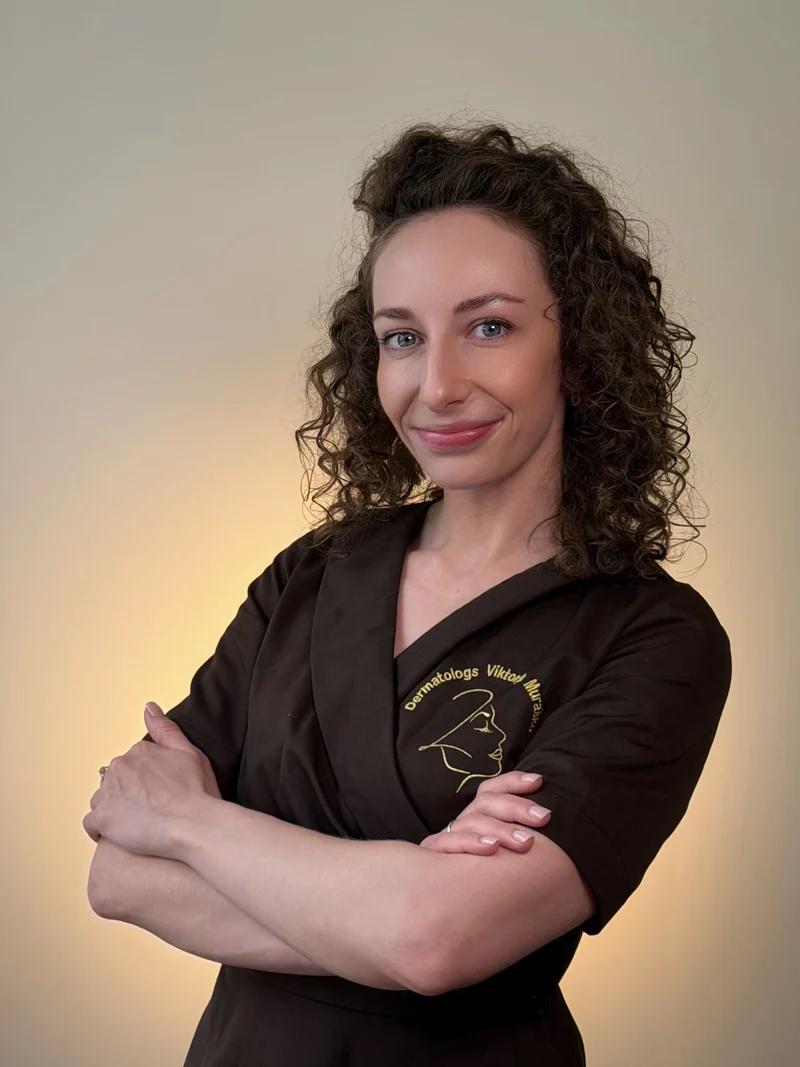
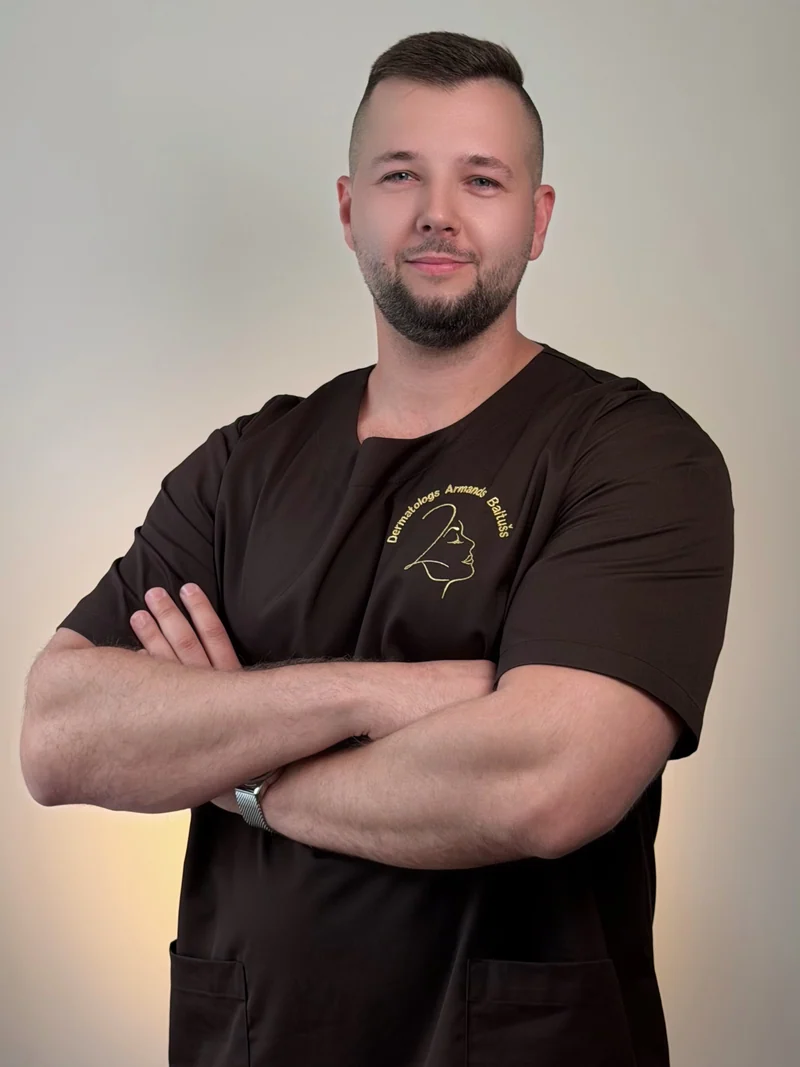
Specialists

Frequently asked questions
How is the most suitable treatment plan chosen?
The specialist assesses your concern or goal, medical information, treatment area, and alternatives. The final plan and cost are confirmed before treatment.
How many treatments may be needed?
One biopsy is usually sufficient; repeat sampling is considered only if tissue is inadequate or the clinical picture changes.
When can the result be assessed?
Histology turnaround depends on the laboratory and whether additional stains are required. The doctor explains the result and how it affects treatment or further investigation.
What should I do after treatment?
Keep the wound clean and dry as directed, change dressings, and avoid tension. If stitches are used, the clinic will specify removal timing. Increasing pain, redness, discharge, or bleeding should be reported.
Start with an individual assessment
A specialist will assess your goal, medical information, and the most suitable method, then explain alternatives and realistic outcomes.