RDG Clinic · Rīga
Nd:YAG laser for facial and leg vessels in Riga
A 1064-nm laser treatment for selected facial and leg vessels or haemangiomas after diagnostic and depth assessment.
- Doctor consultation before therapy
- Individually prescribed composition
- Clinical supervision
Nd:YAG vascular laser
A deeper wavelength for targeted vessel coagulation
Long-pulsed 1064-nm Nd:YAG energy is absorbed by haemoglobin. Controlled heating injures the target vessel wall, which the body gradually clears. This wavelength can reach deeper vessels than some other light systems.
Not every red or bluish lesion suits laser treatment. The doctor assesses diagnosis, diameter, depth, blood flow, skin type, and whether leg veins suggest deeper venous disease requiring phlebology or ultrasound assessment.
Individual assessment
Who this approach may suit
- Selected facial capillaries on the nose, cheeks, or chin
- Suitable small-diameter leg veins
- A doctor-diagnosed haemangioma suitable for laser
- No recent tan and realistic expectations
A safe process
How the visit and treatment work
- 1
Consultation and assessment of skin phototype and treatment area
- 2
Agreement on indications, contraindications, and realistic outcomes
- 3
Selection of individual device settings and treatment
- 4
Advice on skincare, sun protection, and follow-up
RDG Clinic
Expected outcome
A small vessel may darken, contract, or gradually fade over several weeks. Repeat treatment may be needed; underlying rosacea or venous pressure can lead to new vessels.
A medical procedure
Aftercare and warning signs
Cool as advised, use SPF 50+, and temporarily avoid heat, sauna, and strenuous exercise. Do not pick crusts. Report blistering, severe pain, increasing swelling, or unusual skin colour.
Transparent pricing
Services and exact prices
Choose the relevant area, product, or visit type. A specialist confirms final suitability and scope after an individual assessment.
Current catalogue prices are shown. If a different scope or combined plan is needed, costs are always agreed before treatment.
Book a consultationA medical procedure
Safety, limitations, and possible risks
Device settings must be adapted to skin phototype, diagnosis, tanning, and treatment area. Appropriate sun protection before and after treatment is especially important.
- Temporary redness, swelling, bruising, or warmth
- Crusting, blistering, burn, or scar
- Hyperpigmentation or hypopigmentation
- Incomplete vessel closure or recurrence
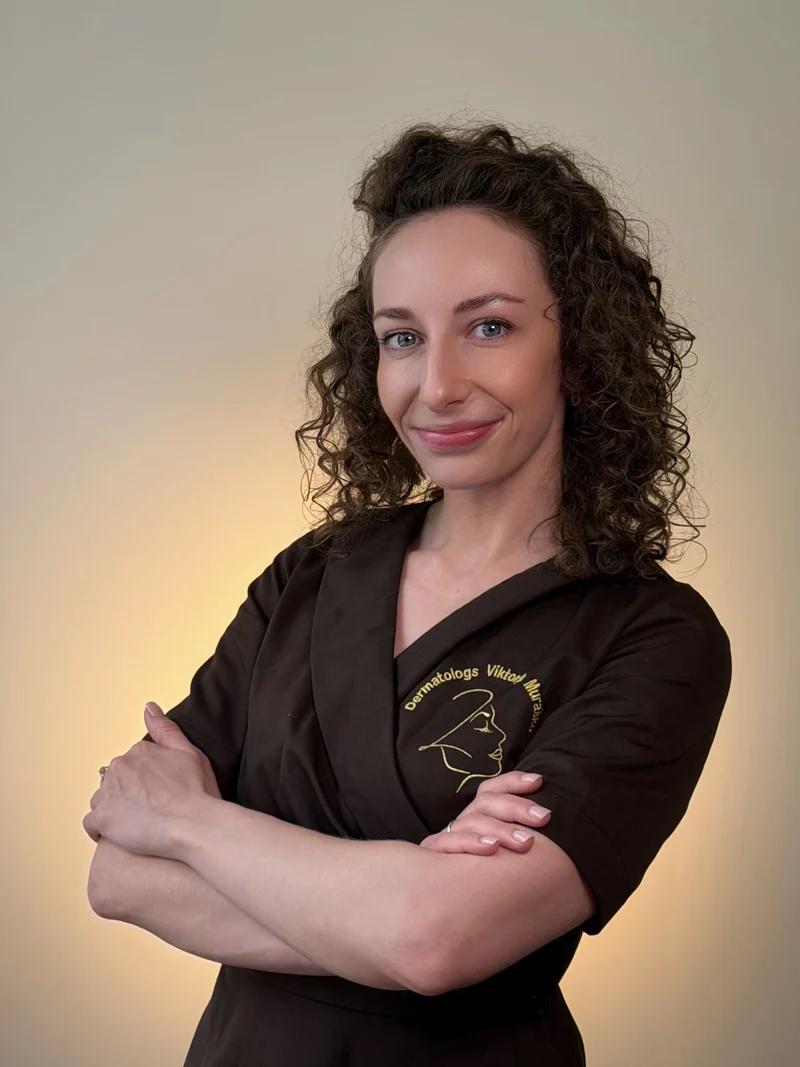
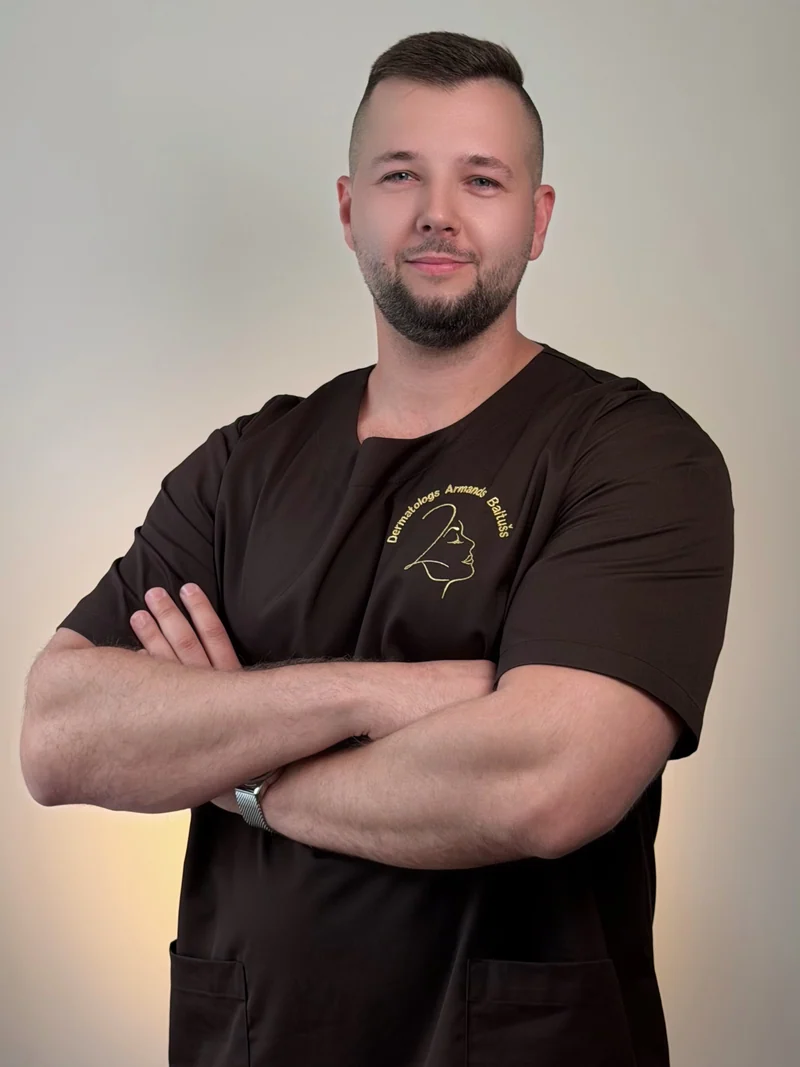
Specialists

Frequently asked questions
How is the most suitable treatment plan chosen?
The specialist assesses your concern or goal, medical information, treatment area, and alternatives. The final plan and cost are confirmed before treatment.
How many treatments may be needed?
One to three treatments are common, with intervals based on vessel type and healing; leg veins may require a longer course.
When can the result be assessed?
A small vessel may darken, contract, or gradually fade over several weeks. Repeat treatment may be needed; underlying rosacea or venous pressure can lead to new vessels.
What should I do after treatment?
Cool as advised, use SPF 50+, and temporarily avoid heat, sauna, and strenuous exercise. Do not pick crusts. Report blistering, severe pain, increasing swelling, or unusual skin colour.
Start with an individual assessment
A specialist will assess your goal, medical information, and the most suitable method, then explain alternatives and realistic outcomes.