RDG Clinic · Rīga
Kenalog injections for scars and selected skin lesions
Corticosteroid delivered directly into a selected lesion after dermatological diagnosis and individual dose selection.
- Doctor consultation before therapy
- Individually prescribed composition
- Clinical supervision
Intralesional Kenalog injection
Targeted treatment within the active lesion
Kenalog contains triamcinolone acetonide, a corticosteroid that can be injected into a thickened scar, keloid, or another selected inflammatory lesion. Local delivery targets the tissue but requires careful concentration and volume.
The doctor confirms diagnosis first: not every raised lesion is a keloid and not every inflammatory condition should receive steroid. Treatment is often part of a combined plan.
Individual assessment
Who this approach may suit
- Hypertrophic scars or keloids
- An itchy, painful, or actively thickening scar
- Another dermatologist-confirmed target for intralesional therapy
- Part of a combined scar-management plan
A safe process
How the visit and treatment work
- 1
Assessment of the indication and relevant health information
- 2
Explanation of the procedure, alternatives, and possible risks
- 3
The procedure in aseptic clinical conditions
- 4
A clear plan for results, aftercare, or receiving the laboratory report
RDG Clinic
Expected outcome
The aim is gradual reduction in scar thickness, tension, itch, or pain. Change is not immediate and complete disappearance cannot be guaranteed.
A medical procedure
Aftercare and warning signs
Keep the injection site clean and follow the doctor’s instructions. Report severe pain, infection signs, skin indentation, or marked colour change.
Transparent pricing
Services and exact prices
Choose the relevant area, product, or visit type. A specialist confirms final suitability and scope after an individual assessment.
Current catalogue prices are shown. If a different scope or combined plan is needed, costs are always agreed before treatment.
Book a consultationA medical procedure
Safety, limitations, and possible risks
Every medical procedure follows assessment of indications and contraindications, aseptic technique, and clear aftercare instructions.
- Pain, bruising, or swelling at the injection site
- Skin atrophy or indentation
- Hypopigmentation, hyperpigmentation, or telangiectasia
- Infection or an insufficient/temporary response
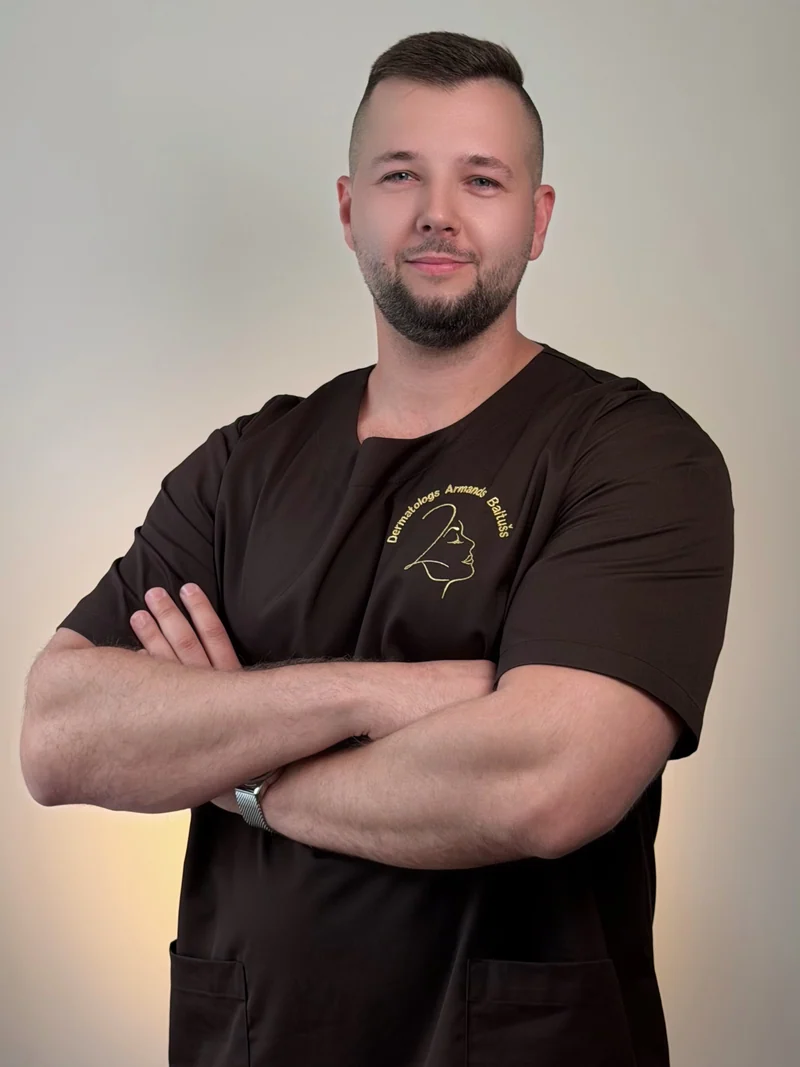
Specialists


Frequently asked questions
How is the most suitable treatment plan chosen?
The specialist assesses your concern or goal, medical information, treatment area, and alternatives. The final plan and cost are confirmed before treatment.
How many treatments may be needed?
Several injections at intervals are often needed; number and concentration depend on scar type, site, and response.
When can the result be assessed?
The aim is gradual reduction in scar thickness, tension, itch, or pain. Change is not immediate and complete disappearance cannot be guaranteed.
What should I do after treatment?
Keep the injection site clean and follow the doctor’s instructions. Report severe pain, infection signs, skin indentation, or marked colour change.
Start with an individual assessment
A specialist will assess your goal, medical information, and the most suitable method, then explain alternatives and realistic outcomes.