RDG Clinic · Rīga
Fractional CO₂ laser for scars and skin texture in Riga
An ablative laser procedure to remodel acne scars, texture, fine lines, and selected stretch marks with planned recovery.
- Doctor consultation before therapy
- Individually prescribed composition
- Clinical supervision
Fractional CO₂ laser
Controlled micro‑ablation initiates skin renewal
The 10,600-nm CO₂ wavelength is strongly absorbed by water. Fractional delivery creates microscopic ablation columns with untreated tissue between them to aid healing. Treatment may smooth surface texture and stimulate collagen remodelling, but it requires genuine recovery time.
Intensity depends on scar type, area, skin type, and acceptable downtime. Deep or mixed acne scars may need a multimodal plan; laser is not an identical solution for every scar.
Individual assessment
Who this approach may suit
- Atrophic acne scars after active acne is controlled
- Rough texture, fine lines, or marked photodamage
- Selected body scars or stretch marks with realistic expectations
- Ability to follow recovery and sun-protection instructions
A safe process
How the visit and treatment work
- 1
Consultation and assessment of skin phototype and treatment area
- 2
Agreement on indications, contraindications, and realistic outcomes
- 3
Selection of individual device settings and treatment
- 4
Advice on skincare, sun protection, and follow-up
RDG Clinic
Expected outcome
Redness, swelling, and peeling dominate the first days; texture is assessed after full healing, while collagen remodelling continues for months. Scars are usually improved rather than completely erased.
A medical procedure
Aftercare and warning signs
Use only advised cleansing, moisturising, and protective products; do not pick crusts. Strictly avoid sun and use SPF 50+ after re-epithelialisation. Increasing pain, pus, blisters, or fever require contact with the clinic.
Transparent pricing
Services and exact prices
Choose the relevant area, product, or visit type. A specialist confirms final suitability and scope after an individual assessment.
Current catalogue prices are shown. If a different scope or combined plan is needed, costs are always agreed before treatment.
Book a consultationA medical procedure
Safety, limitations, and possible risks
Device settings must be adapted to skin phototype, diagnosis, tanning, and treatment area. Appropriate sun protection before and after treatment is especially important.
- Redness, swelling, peeling, soreness, and downtime
- Infection or cold-sore reactivation
- Post-inflammatory hyperpigmentation, hypopigmentation, or prolonged redness
- Rare scarring, texture change, or eye injury without correct protection
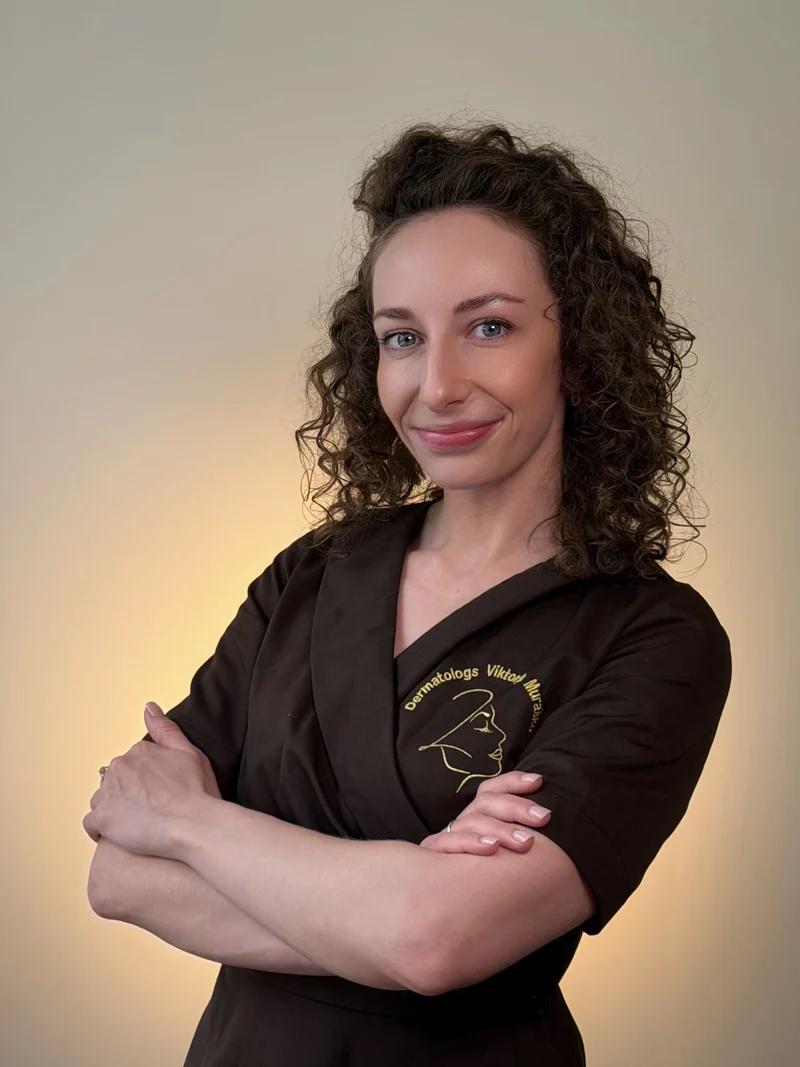
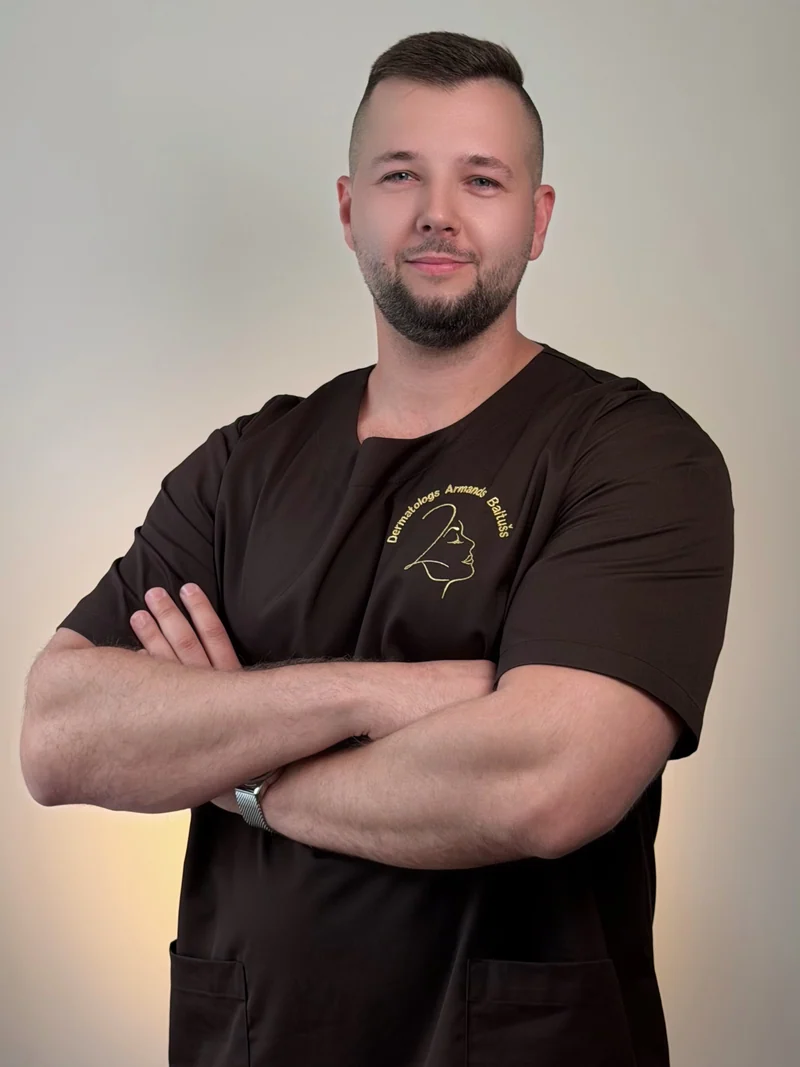
Specialists

Frequently asked questions
How is the most suitable treatment plan chosen?
The specialist assesses your concern or goal, medical information, treatment area, and alternatives. The final plan and cost are confirmed before treatment.
How many treatments may be needed?
Depending on scar type and intensity, the plan may use one deeper or several gentler treatments spaced by several months.
When can the result be assessed?
Redness, swelling, and peeling dominate the first days; texture is assessed after full healing, while collagen remodelling continues for months. Scars are usually improved rather than completely erased.
What should I do after treatment?
Use only advised cleansing, moisturising, and protective products; do not pick crusts. Strictly avoid sun and use SPF 50+ after re-epithelialisation. Increasing pain, pus, blisters, or fever require contact with the clinic.
Start with an individual assessment
A specialist will assess your goal, medical information, and the most suitable method, then explain alternatives and realistic outcomes.