RDG Clinic · Rīga
Laboratory sample collection at RDG Clinic
Collection of prescribed laboratory samples at the clinic, with clear preparation and subsequent result review.
- Doctor consultation before therapy
- Individually prescribed composition
- Clinical supervision
Laboratory sample collection
Tests are useful when they answer a specific question
Laboratory tests can clarify diagnosis, assess safety before treatment, or monitor response. The doctor selects tests according to your concerns and health history.
The clinic explains preparation, including whether fasting is required and how to handle medication. Results should be interpreted in clinical context rather than in isolation.
Individual assessment
Who this approach may suit
- Tests prescribed by a doctor
- Monitoring before or during treatment
- Clarifying deficiencies or other health factors
- Convenient sample collection during a clinic visit
A safe process
How the visit and treatment work
- 1
Assessment of the indication and relevant health information
- 2
Explanation of the procedure, alternatives, and possible risks
- 3
The procedure in aseptic clinical conditions
- 4
A clear plan for results, aftercare, or receiving the laboratory report
RDG Clinic
Expected outcome
The outcome is a laboratory report; turnaround depends on the test. The doctor explains whether it changes the diagnosis or next steps.
A medical procedure
Aftercare and warning signs
Apply pressure to the puncture site for several minutes after a blood draw. Mild bruising can occur. Contact the clinic if bleeding persists or marked swelling develops.
Transparent pricing
Services and exact prices
Choose the relevant area, product, or visit type. A specialist confirms final suitability and scope after an individual assessment.
Current catalogue prices are shown. If a different scope or combined plan is needed, costs are always agreed before treatment.
Book a consultationA medical procedure
Safety, limitations, and possible risks
Every medical procedure follows assessment of indications and contraindications, aseptic technique, and clear aftercare instructions.
- Temporary discomfort, bleeding, or bruising
- Infection or delayed healing
- A scar or pigment change at the treatment site
- Allergic reaction to anaesthetic or aftercare products
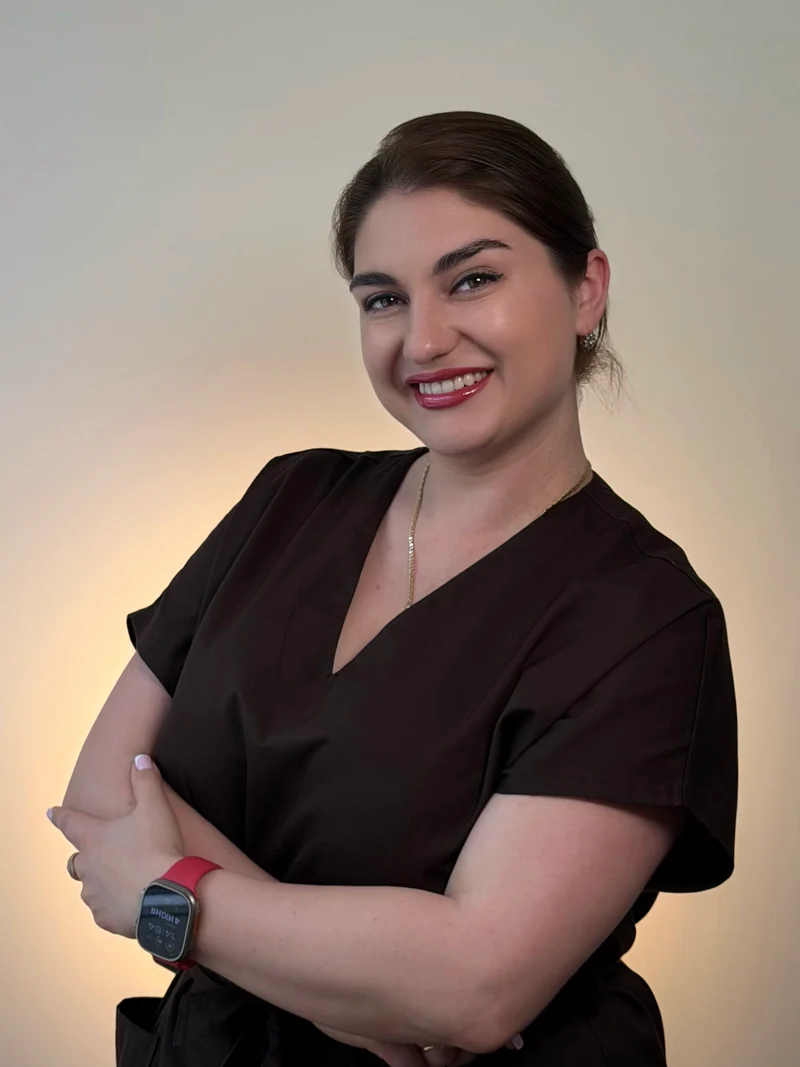
Specialists
Frequently asked questions
How is the most suitable treatment plan chosen?
The specialist assesses your concern or goal, medical information, treatment area, and alternatives. The final plan and cost are confirmed before treatment.
How many treatments may be needed?
Samples are collected once or repeated according to the monitoring schedule prescribed by your doctor.
When can the result be assessed?
The outcome is a laboratory report; turnaround depends on the test. The doctor explains whether it changes the diagnosis or next steps.
What should I do after treatment?
Apply pressure to the puncture site for several minutes after a blood draw. Mild bruising can occur. Contact the clinic if bleeding persists or marked swelling develops.
Start with an individual assessment
A specialist will assess your goal, medical information, and the most suitable method, then explain alternatives and realistic outcomes.